

Обзор Dub.co 2026
Полный анализ функций, цен и альтернатив
Последнее обновление: май 2026 г.
Обзор Dub.co
Скриншоты Dub.co
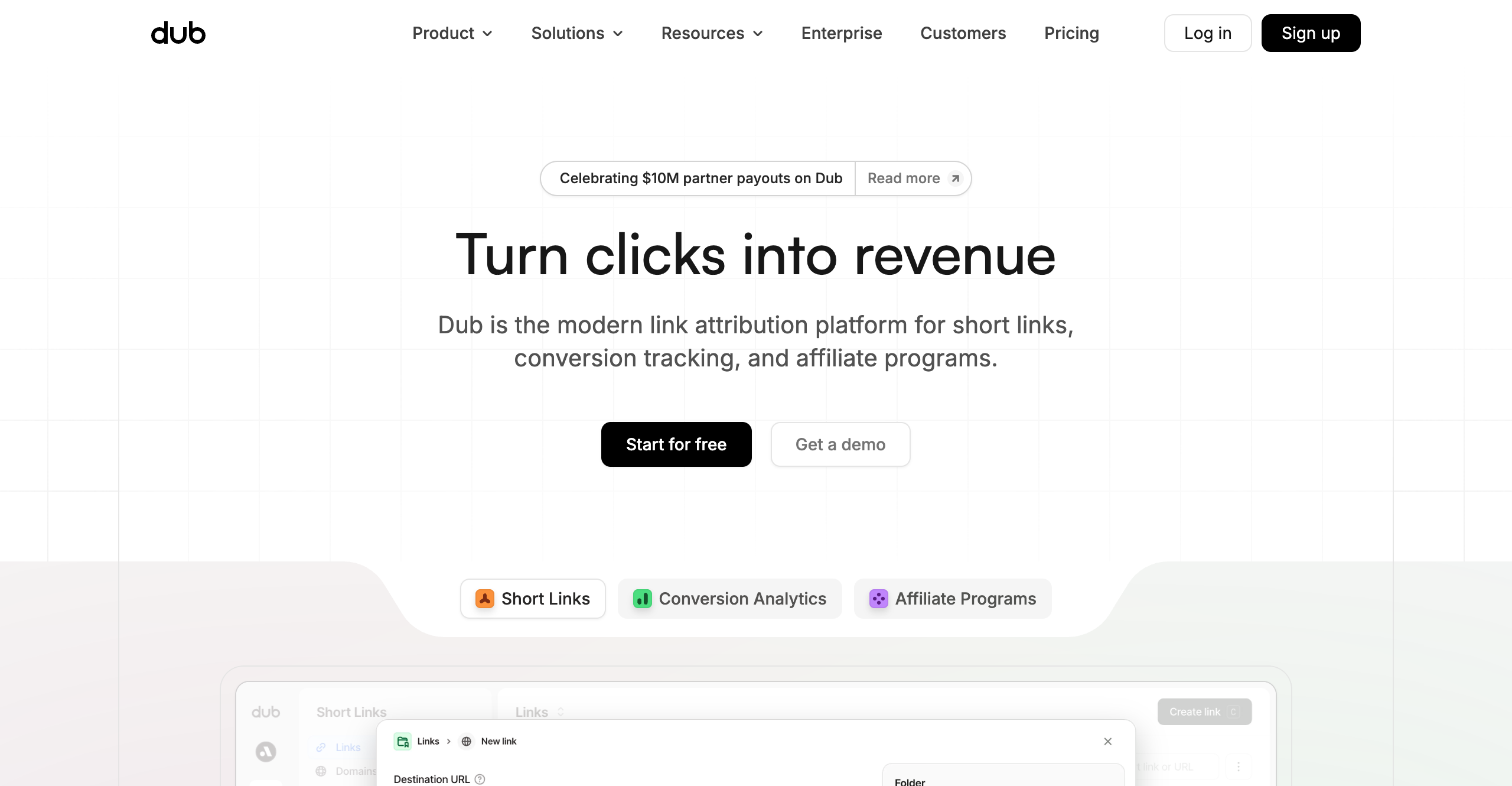
Главная страница
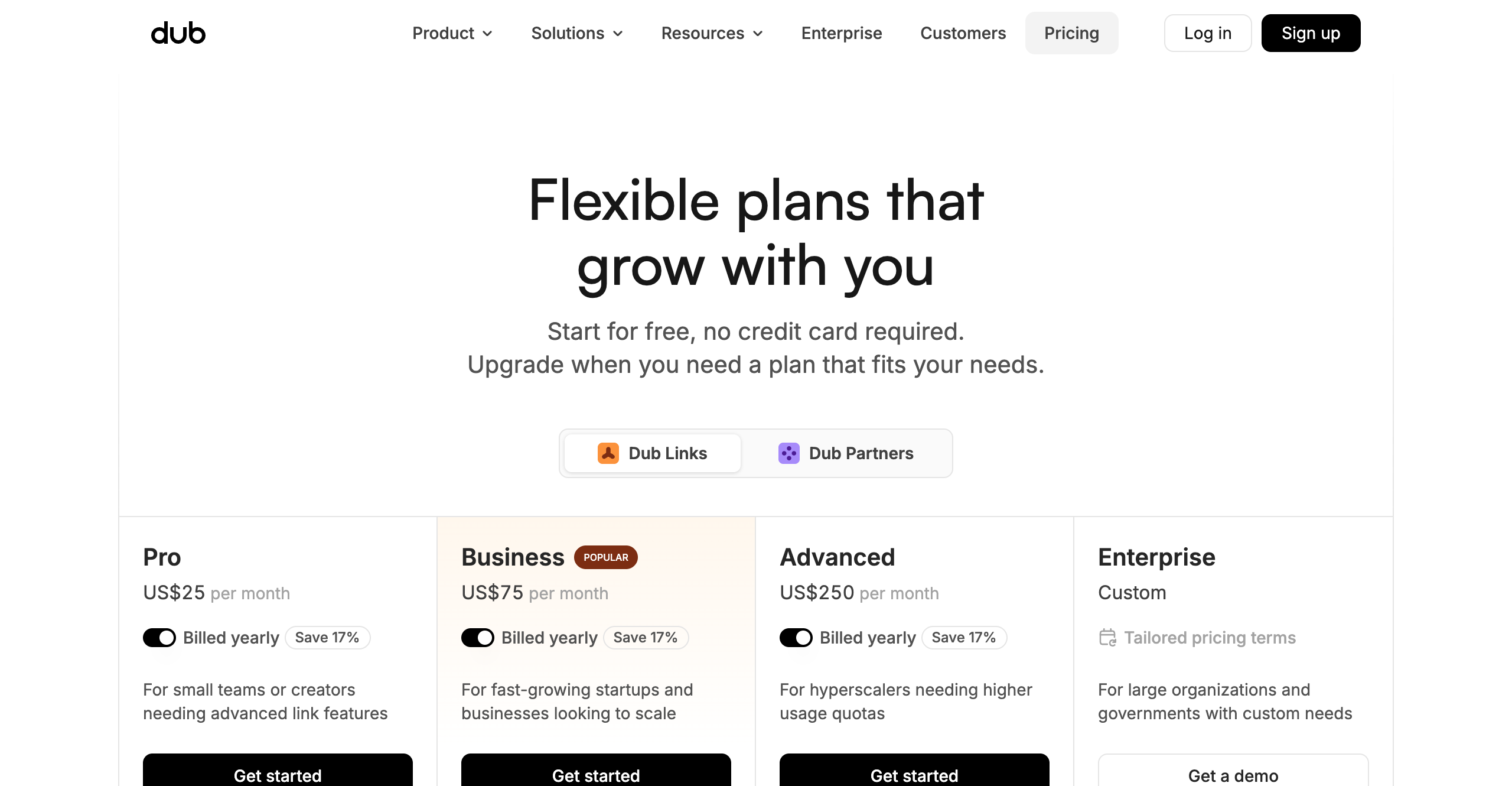
Страница цен
Ключевые отличия Dub.co
Современная, быстрая, open-core платформа с атрибуцией в реальном времени
Тарифы Dub.co
Функции Dub.co
- Аналитика в реальном времени
- Отслеживание конверсий
- Предложения на основе ИИ
- A/B тестирование
- Атрибуция доходов
- Управление партнёрской программой
Целевая аудитория Dub.co
- Маркетологи
- Агентства
- Разработчики
Интеграции Dub.co
- Stripe
- Shopify
- Zapier
API Dub.co
Безопасность Dub.co
Соответствие требованиям Dub.co
Dub.co — это современная платформа для управления ссылками, ориентированная на разработчиков, которая быстро привлекла внимание с момента своего основания в 2022 году. Компания расположена в Сан-Франциско и построила свою репутацию на open-core модели, что означает, что большая часть её базовой технологии является открытым исходным кодом, в то время как размещённая платформа предлагает дополнительные коммерческие функции. Dub.co ориентирована на современные SaaS команды, компании электронной коммерции и организации, ведомые разработчиками, которые хотят иметь полированную инфраструктуру для работы со ссылками с сильной поддержкой API и аналитикой в реальном времени. Это быстрорастущий игрок на рынке, который традиционно доминировался старыми платформами вроде Bitly, и его подход к управлению ссылками явно создан для текущей эры продукто-ориентированного роста и инструментов для разработчиков.
Но современный технологический стек сам по себе не гарантирует, что платформа подойдет каждой команде. Важно понимать модель ценообразования Dub.co, её набор функций и компромиссы перед тем, как принять решение, особенно учитывая то, что её модель биллинга на основе событий необычна на рынке управления ссылками.
Тарифы Dub.co
Тарифы Dub.co структурированы по пяти уровням, при этом ключевое отличие заключается в модели отслеживания на основе событий, а не на основе кликов или ссылок, которые используют большинство конкурентов.
Бесплатный план включает 25 ссылок в месяц и 1000 отслеживаемых событий в месяц, с сохранением аналитики ограниченным 30 днями. Это довольно ограничивающий бесплатный уровень. Для всех, кто делает больше, чем лёгкие эксперименты, ограничение в 25 ссылок и окно аналитики в 30 дней будут казаться узкими очень быстро. Это полезно для оценки платформы, но ничего больше.
План Pro за $25 в месяц предоставляет 1000 ссылок в месяц, 50 000 отслеживаемых событий в месяц и расширяет сохранение аналитики на один год. Это уровень, на котором окажутся большинство небольших команд и отдельных создателей контента. Окно аналитики в один год — это значимое улучшение по сравнению с бесплатным уровнем, и 50 000 событий должны удобно покрыть среднее использование.
План Business за $75 в месяц масштабируется до 10 000 ссылок в месяц и 250 000 отслеживаемых событий. Этот уровень вводит отслеживание конверсий, которое является одной из выдающихся функций Dub.co. Для бизнесов электронной коммерции и SaaS компаний, которым нужно понять, как клики по ссылкам переводятся в реальный доход, это именно то место, где платформа начинает оправдывать свою стоимость.
План Advanced за $250 в месяц масштабируется до 50 000 ссылок в месяц, 1 миллиона отслеживаемых событий и расширяет сохранение аналитики на пять лет. Этот уровень разработан для более крупных операций, которым нужно долгосрочное сохранение данных и управление ссылками с высоким объёмом.
План Enterprise имеет индивидуальное ценообразование и добавляет аутентификацию SSO/SAML, логи аудита, неограниченное использование и пользовательское SLA. Это ожидаемый корпоративный уровень для организаций с требованиями безопасности и соответствия, которым нужна выделенная поддержка.
Стоит отметить саму модель ценообразования на основе событий. В то время как большинство платформ управления ссылками выставляют счета на основе кликов, созданных ссылок или пользователей, Dub.co выставляет счета на основе «отслеживаемых событий». Это может включать клики, конверсии и другие взаимодействия. Это различие важно, потому что вводит слой сложности в оценку затрат. Команды, привыкшие к простому ценообразованию на основе кликов, могут найти труднее предсказать ежемесячные расходы, особенно если они проводят кампании с высокими показателями вовлечённости, которые генерируют несколько событий за клик.
Функции Dub.co
Набор функций Dub.co отражает его философию, ориентированную на разработчиков, и в то же время предлагает достаточно функций для работы маркетинговых команд.
Аналитика в реальном времени — это основная сила. Платформа предоставляет актуальные данные о производительности ссылок, включая географические разбивки, типы устройств, рефереры и многое другое. Для команд, проводящих чувствительные ко времени кампании, актуальность этих данных действительно полезна по сравнению с платформами, которые обрабатывают аналитику пакетно с задержками.
Отслеживание конверсий и атрибуция доходов выделяют Dub.co среди многих конкурентов. Платформа может отслеживать не просто клики, но и последующие конверсии, связывая взаимодействия со ссылками с реальным доходом. Это особенно ценно для SaaS компаний, отслеживающих регистрации, компаний электронной коммерции, измеряющих покупки, и партнёрских программ, которым нужна точная атрибуция. Интеграция со Stripe делает отслеживание доходов простым для компаний, уже использующих Stripe для платежей.
Предложения на основе ИИ предоставляют интеллектуальные рекомендации для настройки ссылок, включая предложения слагов и оптимизацию метаданных. Хотя это не критическая функция, это приятное качество жизни, которое отражает современный подход платформы.
A/B тестирование позволяет командам распределять трафик между разными целевыми URL для определения того, какой работает лучше. Это функция, которую предлагают многие платформы управления ссылками, но реализация Dub.co чистая и хорошо интегрирована с её аналитикой.
Управление партнёрской программой — это более новое дополнение, которое позволяет компаниям создавать и управлять партнёрскими программами непосредственно в платформе. В сочетании с атрибуцией доходов это даёт Dub.co убедительную историю для компаний, которые опираются на рост, ориентированный на партнёров.
На стороне разработчика Dub.co предлагает SDKs на TypeScript, Python, Go, Ruby и PHP, что является необычайно широким охватом языков для платформы управления ссылками. API хорошо задокументирован и следует соглашениям REST, что делает его доступным для команд, которые хотят интегрировать управление ссылками в свои собственные продукты или рабочие процессы программно.
Для безопасности и соответствия Dub.co имеет сертификацию SOC2 Type 2 и соответствует GDPR. Это становятся всё более важными обязательными сертификатами для B2B SaaS платформ, и их наличие сигнализирует, что Dub.co серьёзно относится к обработке данных.
Интеграции в настоящее время включают Stripe, Shopify и Zapier. Интеграция Stripe особенно хорошо реализована для целей атрибуции доходов, а интеграция Shopify обслуживает случаи использования электронной коммерции. Подключение Zapier открывает дверь к тысячам приложений третьих сторон, хотя стоит отметить, что экосистема встроенных интеграций всё ещё меньше, чем у более устоявшейся платформы вроде Bitly.
Сильные стороны ясны: современный технологический стек, отличный опыт разработчика, данные в реальном времени и подлинные возможности отслеживания конверсий. Слабые стороны столь же очевидны. Dub.co всё ещё относительно молодая платформа, сохранение аналитики на нижних уровнях ограничено, и экосистема интеграций, хотя и растёт, ещё не соответствует широте более долгоживущих конкурентов.
Плюсы и минусы Dub.co
Плюсы:
- Современный технологический стек, построенный в соответствии с текущими лучшими практиками, обеспечивающий быстрый и отзывчивый пользовательский опыт
- Open-core модель обеспечивает прозрачность базовой технологии и укрепляет доверие разработчиков
- Отличный API и многоязычные SDKs (TypeScript, Python, Go, Ruby, PHP) делают программную интеграцию простой
- Отслеживание конверсий и атрибуция доходов выходят за рамки простого подсчёта кликов, чтобы показать реальный деловой эффект
- Инструменты, дружественные к разработчикам, и документация, которые делают платформу простой в интеграции в существующие рабочие процессы
- Сертифицирована SOC2 Type 2 и соответствует GDPR, соответствуя ожиданиям безопасности предприятия
- Функции A/B тестирования и управления партнёрской программой добавляют значимые возможности маркетинга
Минусы:
- Молодая платформа, основанная в 2022 году, с менее долгой историей, чем устоявшиеся конкуренты вроде Bitly
- Модель ценообразования на основе событий может быть запутанной и труднее прогнозируемой по сравнению с простым ценообразованием на основе кликов
- Бесплатный уровень ограничен аналитикой на 30 дней, что делает сложным оценить долгосрочное качество аналитики
- Меньшая экосистема встроенных интеграций по сравнению с платформами, которые строили партнерства более десяти лет
- Нет поддержки пиксела ретаргетинга, что является значительным пробелом для маркетинговых команд, проводящих кампании платной привлечения
- Сохранение аналитики ограничено уровнем плана, только самые дорогие планы предлагают многолетнее сохранение
- Отслеживание конверсий доступно только начиная с уровня Business за $75 в месяц
Dub.co vs Linkly
Dub.co и Linkly — это обе современные платформы управления ссылками, но они построены для разных аудиторий и оптимизированы для разных результатов.
Dub.co создана для разработчиков и SaaS команд. Её сильные стороны заключаются в архитектуре open-core, многоязычных SDKs, API аналитики в реальном времени и отслеживании конверсий с атрибуцией доходов. Если ваша инженерная команда хочет встроить управление ссылками непосредственно в ваш продукт, или если вам нужно отслеживать, как сокращённые ссылки переводятся в доход Stripe, Dub.co предоставляет мощные инструменты для этих случаев использования. Платформа кажется разработанной разработчиками для разработчиков, что одновременно является её величайшей сильной стороной и наиболее значительным ограничением.
Linkly создана для маркетологов и издателей. Она сосредоточена на функциях, которые маркетинговые команды используют ежедневно: пиксели ретаргетинга для построения аудиторий из кликов по ссылкам, правила географической маршрутизации и маршрутизации по устройствам, которые направляют пользователей на разные адреса в зависимости от того, где они находятся или какое устройство они используют, потоки данных Google Sheets для автоматизированной отчётности и A/B сплит-тестирование. Это практические, ориентированные на кампании функции, которые не требуют инженерных ресурсов для установки или поддержки.
Философии ценообразования также принципиально различаются. Dub.co использует модель на основе событий, где ваши затраты масштабируются с отслеживаемыми событиями в разных планах, начиная с $25 в месяц для уровня Pro. Linkly использует модель на основе кликов с бесплатным планом, включающим 500 отслеживаемых кликов в месяц. Платные планы Linkly начинаются с $39 в месяц за 25 000 отслеживаемых кликов с неограниченными ссылками. Вы выбираете свой план на основе того, сколько кликов вам нужно отслеживать.
Рассмотрим конкретику: план Pro за $25 в месяц на Dub.co даёт вам 1000 ссылок и 50 000 отслеживаемых событий с сохранением аналитики на один год. План за $39 в месяц на Linkly даёт вам неограниченные ссылки и 25 000 отслеживаемых кликов. Для маркетинговых команд план Linkly предоставляет больше используемой функциональности по сравнимой цене.
Для инструментов разработчика Dub.co явно побеждает. Её многоязычные SDKs, open-source кодовая база и API-первый дизайн делают её лучшим выбором для команд, которые хотят интегрировать управление ссылками в свои продукты. У Linkly есть API, но он не является центральной частью платформы так, как у Dub.co.
Для маркетинговых возможностей Linkly имеет преимущество в одной критической области: пиксели ретаргетинга. Dub.co поддерживает правила географической маршрутизации и маршрутизации по устройствам — вы можете перенаправить посетителей на разные адреса на основе их страны или типа устройства (план Pro и выше). Что Dub.co не предлагает, так это поддержку пикселей ретаргетинга. Нет способа запустить пиксель Facebook, Google, TikTok или LinkedIn из ссылки Dub.co ни на каком плане. Для маркетологов производительности, которые зависят от построения аудиторий на основе пикселей для платных кампаний, этот пробел является решающим фактором.
Выводы
Dub.co — это отличный выбор для команд, ведомых разработчиками, и SaaS компаний, которые хотят современную, open-core инфраструктуру для управления ссылками с сильной поддержкой API и отслеживанием конверсий в реальном времени. Технологические основы платформы прочны, опыт разработчика лучший в категории, и возможности атрибуции доходов предоставляют подлинный вывод того, как ссылки ведут к деловым результатам. Если ваша команда имеет инженерные ресурсы и ваша основная цель — встроить управление ссылками в ваш продукт или отслеживать конверсии до Stripe, Dub.co заслуживает серьёзного рассмотрения.
Для маркетинговых команд, которым нужны пиксели ретаргетинга, правила географической маршрутизации и маршрутизации по устройствам, отчётность Google Sheets и простое ценообразование на основе кликов, Linkly — лучший выбор. Ценообразование масштабируется предсказуемо с объёмом кликов, и платформа разработана так, чтобы быть установленной и управляемой маркетинговыми командами без участия разработчиков. Когда цель — производительность кампании, а не интеграция инфраструктуры, Linkly предоставляет инструменты, которые маркетологи действительно нужны, по цене, которая имеет смысл.
Ищете альтернативу Dub.co?
Попробуйте Linkly — мощный сократитель URL с расширенной аналитикой, пользовательскими доменами и надёжным отслеживанием.
Попробовать Linkly бесплатно