
Список сокращателей URL в 2026: сравнение 16 инструментов
Сокращатели URL — это важные инструменты для упрощения длинных веб-адресов в лаконичные, удобные для совместного использования ссылки. Они широко используются для отслеживания кликов, управления URL-адресами, создания аудиторий для ретаргетинга и улучшения кампаний в социальных сетях.
Независимо от того, нужно ли вам хостинговое решение с расширенной аналитикой или самостоятельный вариант для полного контроля, этот список охватывает наиболее популярные сокращатели URL, доступные в 2026 году.
Таблица быстрого сравнения
| Инструмент | Бесплатный план | Пользовательские домены | Аналитика | Пиксели ретаргетинга |
|---|---|---|---|---|
| Linkly | Да (100 ссылок, 500 кликов/месяц) | Да | Да | Да |
| Bitly | Да (5 ссылок/месяц) | Только платно | Только платно | Нет |
| TinyURL | Да (базовый) | Только платно | Только платно | Нет |
| Rebrandly | Да (10 ссылок) | Да | Только платно | Нет |
| Short.io | Да (1 домен) | Да | Да | Нет |
| Dub.co | Да (25 ссылок/месяц) | Да | Да | Нет |
| Cutt.ly | Да | Только платно | Только платно | Нет |
| T2M | Да (требует установка $5) | Да | Да | Нет |
| BL.INK | Нет | Да | Да | Нет |
| Sniply | Нет | Нет | Да | Нет |
| Tiny.cc | Да (базовый) | Только платно | Только платно | Нет |
| Ow.ly | Только Hootsuite | Да | Да | Нет |
| Zapier | Нет (требуется платный план) | Нет | Нет | Нет |
Хостинговые сокращатели URL
Хостинговые сокращатели URL — это управляемые облачные сервисы, которые не требуют настройки сервера. Вы регистрируетесь, создаёте ссылки и сразу начинаете отслеживать результаты.
1. Linkly
Linkly — это мощная платформа управления ссылками, созданная для маркетологов, агентств и команд роста. Это намного больше, чем простое сокращение — каждая ссылка поставляется с аналитикой кликов в реальном времени, разбивкой по географии и устройствам, фильтрацией ботов и поддержкой пикселей ретаргетинга от Facebook, Google, TikTok и других.
Linkly поддерживает пользовательские домены, динамические QR-коды, перенаправления для конкретных устройств (отправляет пользователей iOS в App Store, а пользователей Android в Google Play) и ротаторы ссылок для A/B-тестирования. Бесплатный план включает 100 коротких ссылок и 500 отслеживаемых кликов в месяц без требования карты памяти.
- Лучше всего подходит: Маркетологи и команды роста, которым нужна аналитика, пиксели ретаргетинга и пользовательские домены.
- Бесплатный план: Да — 100 ссылок, 500 кликов/месяц.
- Цены: Бесплатно / $15 / $32 / $107 / Корпоративный.
2. Bitly
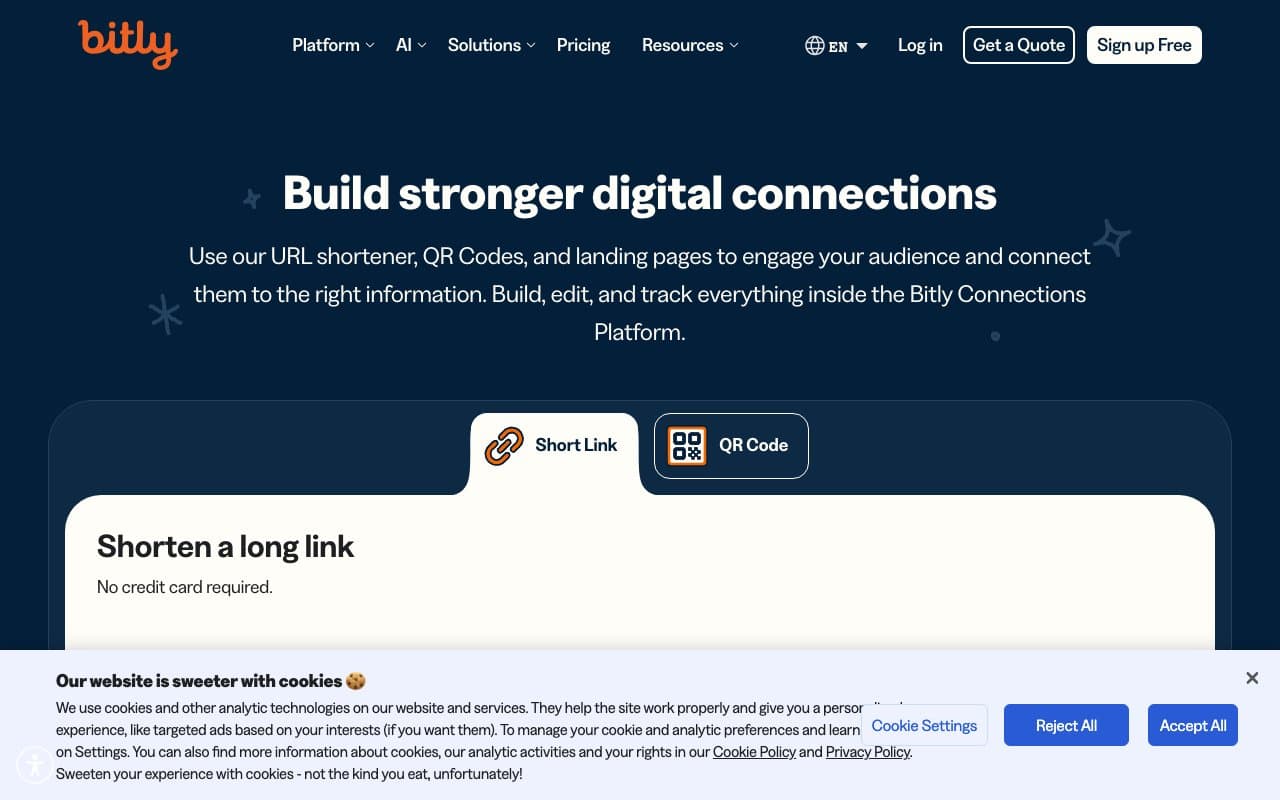
Bitly — один из самых известных сокращателей URL, которому доверяют крупные предприятия для управления брендами и аналитики ссылок. Он предлагает чистую панель инструментов, генерацию QR-кодов, страницы ссылок в биографии и — в последнее время — Bitly Assist, функцию на основе искусственного интеллекта для создания контента ссылок.
Бесплатный план со временем стал значительно более ограничивающим: по состоянию на 2026 год он позволяет только 5 сокращённых ссылок в месяц. Фирменные ссылки и аналитика заблокированы на платных уровнях, что делает Bitly дорогим по сравнению с конкурентами для небольших команд.
- Лучше всего подходит: Корпоративные команды, уже использующие экосистему Bitly; управление фирменными ссылками в масштабе.
- Бесплатный план: Да — но ограничен 5 ссылками/месяц.
- Цены: Бесплатно / Core ($10/месяц) / Growth ($29/месяц) / Premium ($199/месяц) / Корпоративный.
3. TinyURL
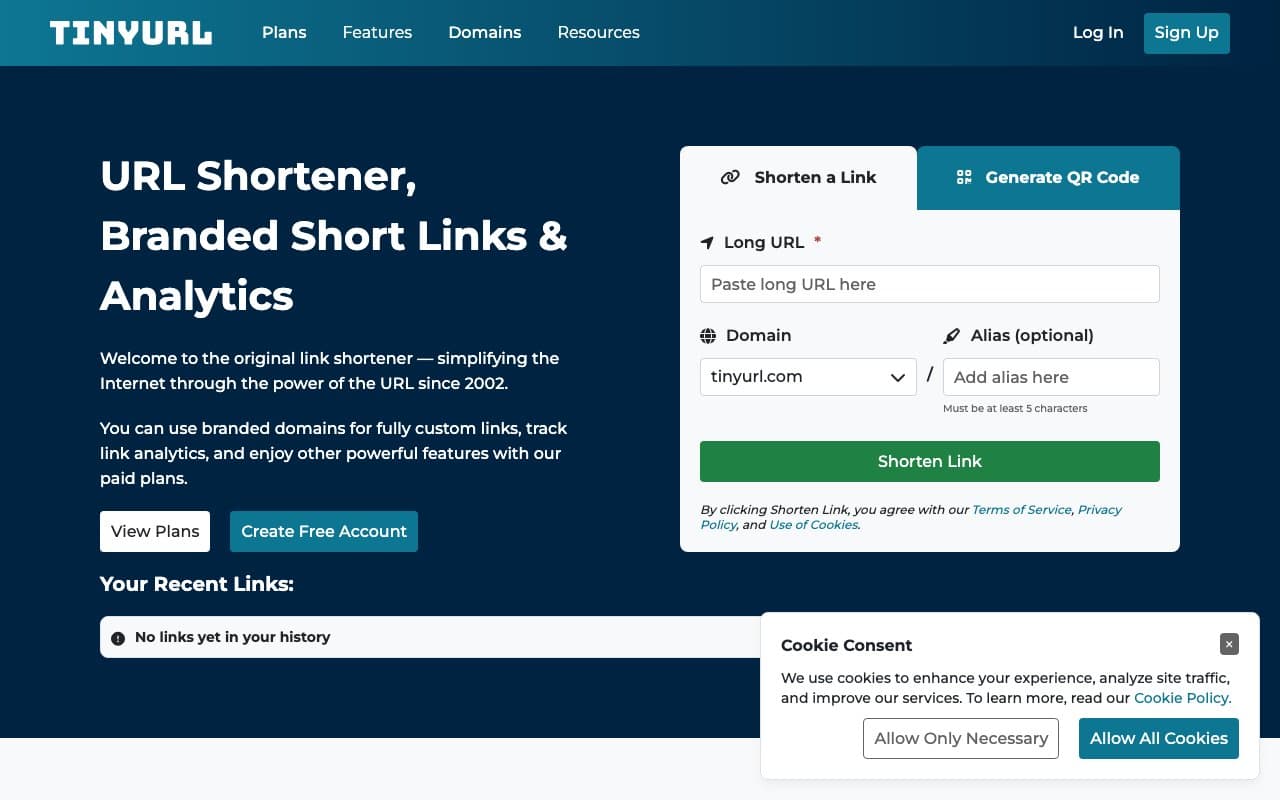
TinyURL — один из самых старых сокращателей URL, запущенный в 2002 году. Он остаётся популярным благодаря своей простоте — вставьте ссылку, получите короткую без необходимости регистрации. Платные планы добавляют аналитику, фирменные ссылки с пользовательскими доменами и панель управления.
TinyURL — хороший выбор для случайного или периодического использования, но ему не хватает расширенной аналитики и функций ретаргетинга, которые предлагают современные маркетинговые платформы.
- Лучше всего подходит: Быстрое, простое сокращение ссылок без настройки; периодическое личное использование.
- Бесплатный план: Да — базовое сокращение, без аналитики.
- Цены: Бесплатно / Pro ($9.99/месяц) / Bulk ($99/месяц).
4. Rebrandly
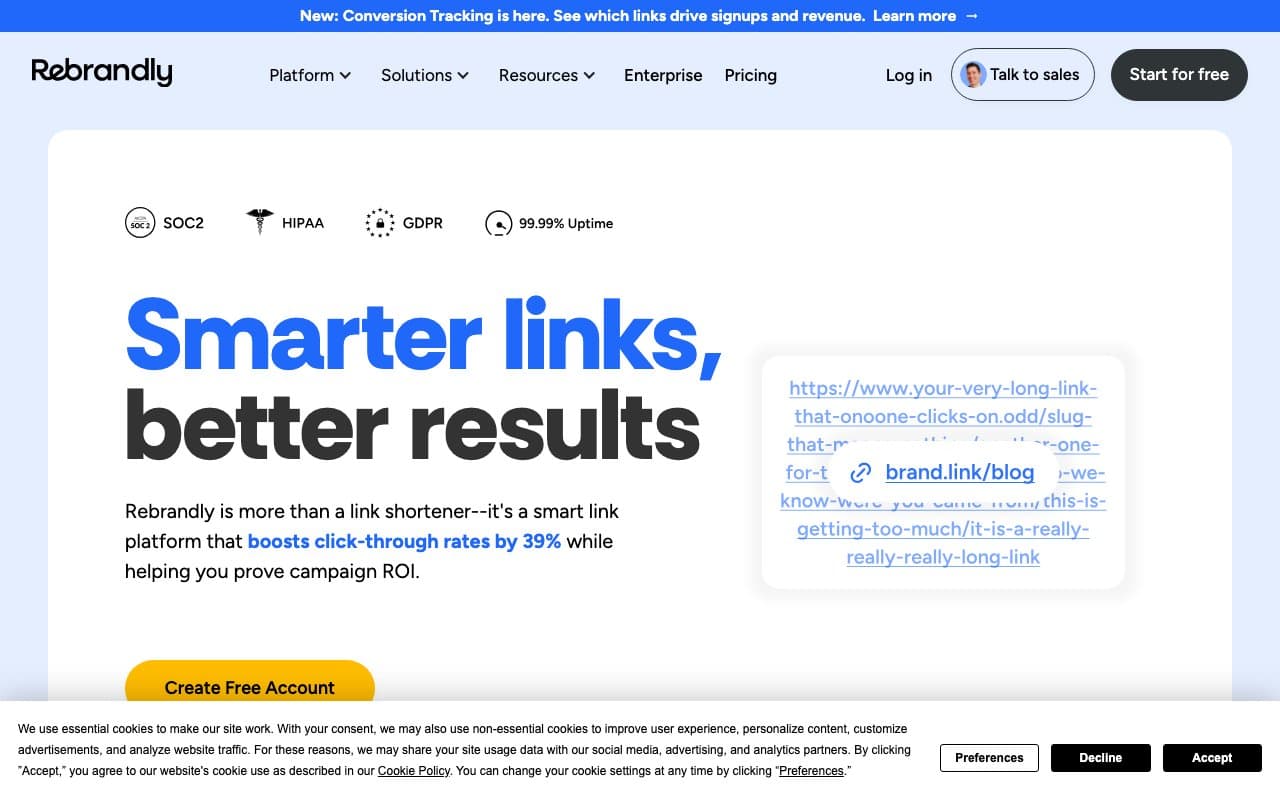
Rebrandly специально разработан для управления фирменными ссылками. Каждая ссылка использует пользовательский домен, что делает её идеальной для команд, сосредоточенных на единообразии бренда во всех кампаниях. Он интегрируется с основными маркетинговыми инструментами, включая Salesforce, HubSpot, Slack и Zapier.
Бесплатный план позволяет использовать 10 фирменных ссылок на 1 пользовательском домене — разумное начало для небольших команд, тестирующих платформу. Глубина аналитики растёт на более высоких уровнях.
- Лучше всего подходит: Команды, которые приоритизируют фирменные ссылки и интеграцию с маркетинговыми инструментами.
- Бесплатный план: Да — 10 фирменных ссылок, 1 пользовательский домен.
- Цены: Бесплатно / Essentials ($11/месяц) / Professional ($32/месяц) / Growth ($99/месяц) / Корпоративный.
5. Short.io
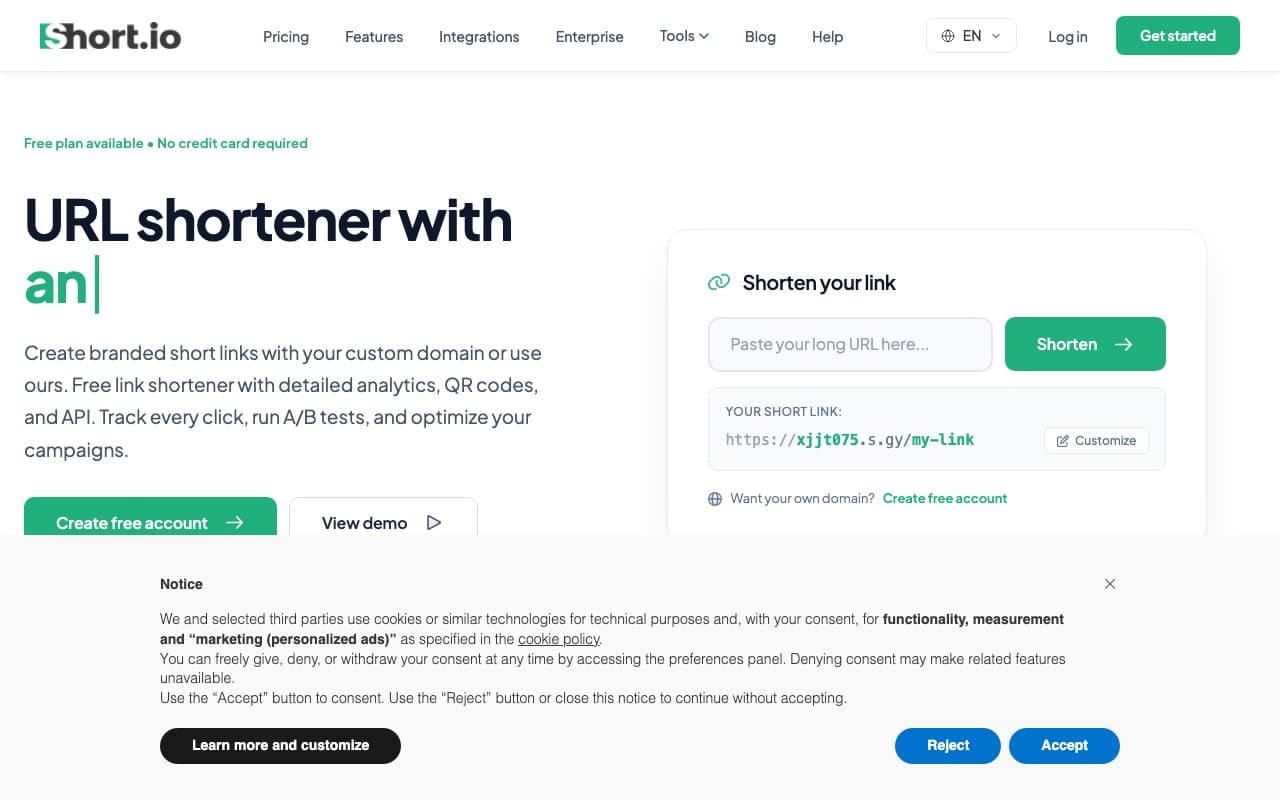
Short.io — удобная для разработчиков платформа управления ссылками с сильной поддержкой нескольких пользовательских доменов, массового создания ссылок и мощного API. Она особенно хорошо подходит для агентств или SaaS-компаний, управляющих ссылками для нескольких брендов или клиентов.
Бесплатный план включает 1 пользовательский домен и 1000 кликов/месяц. Платные уровни открывают несколько доменов, расширенную аналитику, сотрудничество команды и более высокие объёмы кликов.
- Лучше всего подходит: Разработчики, агентства и команды, управляющие ссылками для нескольких доменов.
- Бесплатный план: Да — 1 домен, 1000 кликов/месяц.
- Цены: Бесплатно / Hobby ($5/месяц) / Pro ($18/месяц) / Team ($48/месяц) / Enterprise ($148/месяц).
6. Dub.co
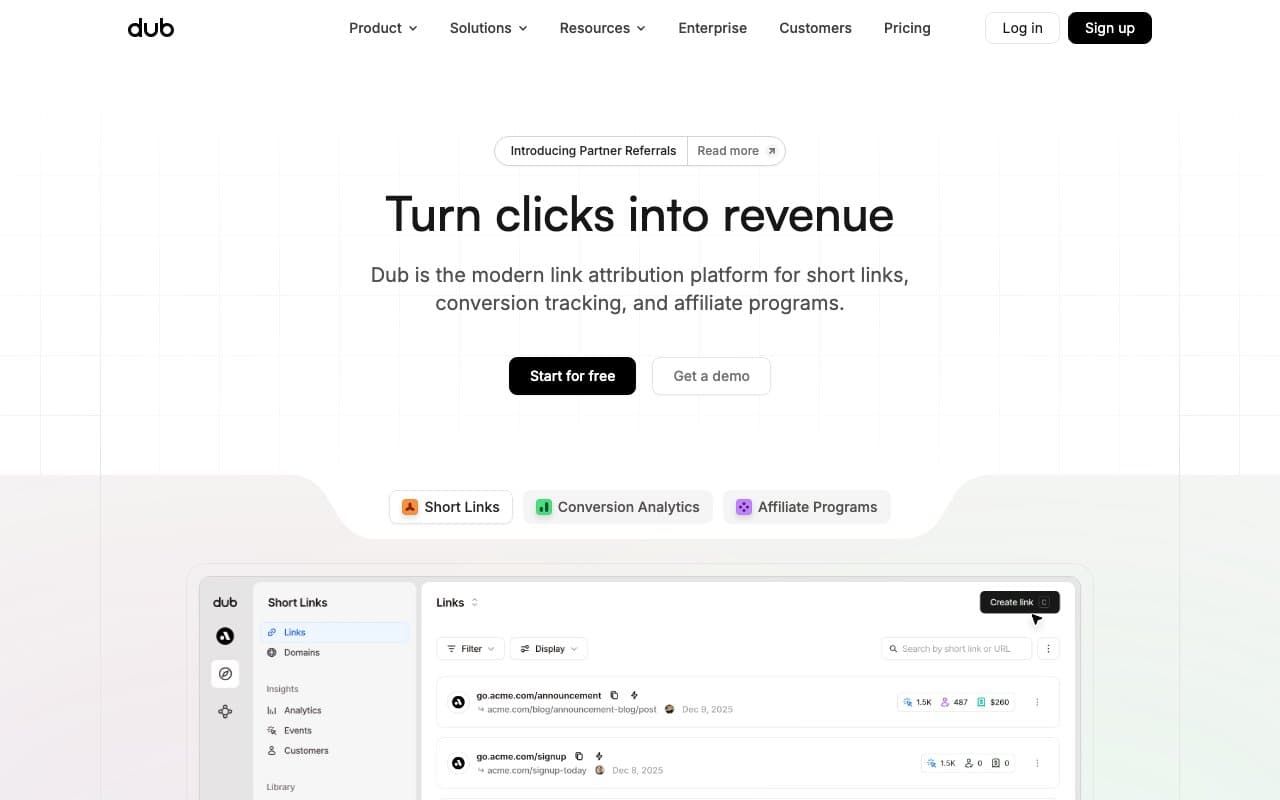
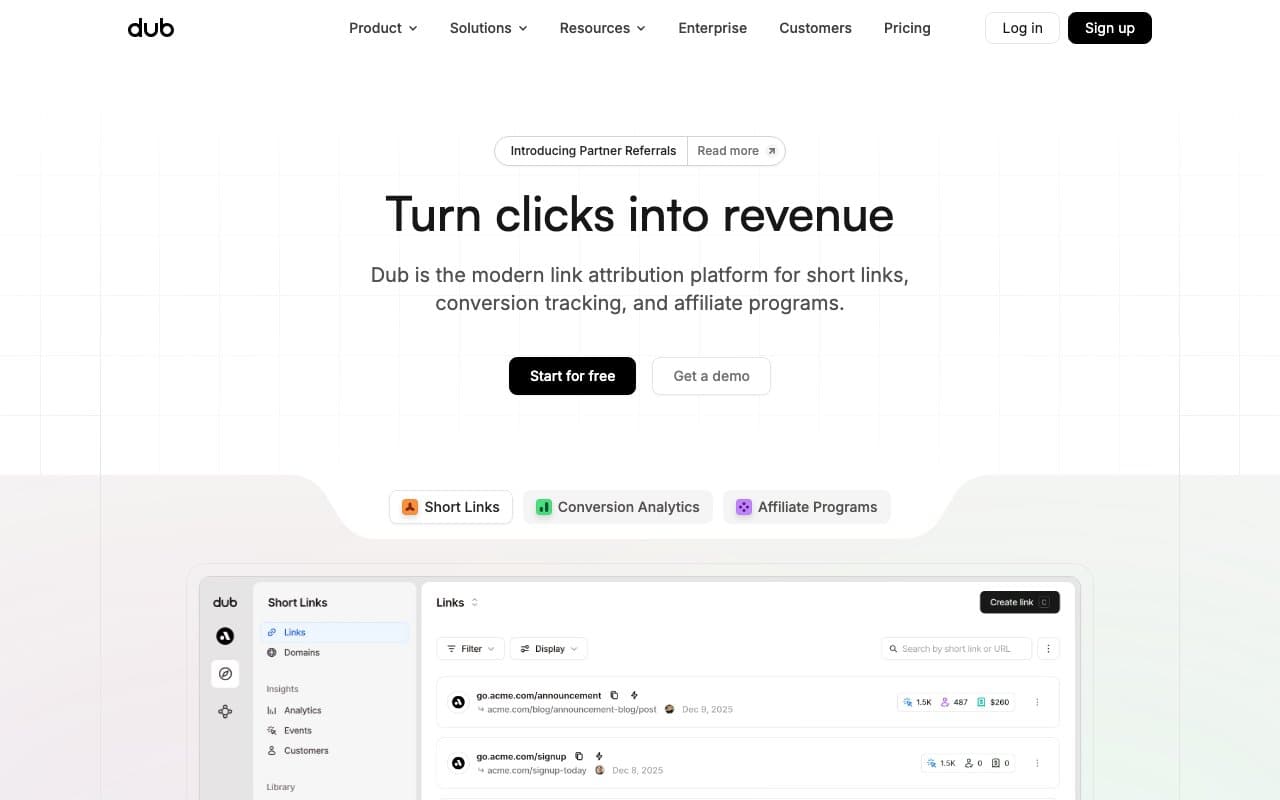
Dub.co — современная платформа управления ссылками с открытым исходным кодом, которая быстро развивалась с момента запуска. Она предлагает пользовательские домены, расширенную аналитику (включая данные по городам и разбивку по устройствам), QR-коды, страницы ссылок в биографии и чистый API. Dub также доступен для самостоятельного хостинга бесплатно на GitHub.
Бесплатный план щедр для лёгкого использования — 25 ссылок в месяц на 1 пользовательском домене. Открытый исходный код Dub делает его популярным выбором для разработчиков и стартапов, которые хотят прозрачности или планируют самостоятельное размещение.
- Лучше всего подходит: Разработчики, стартапы и команды, которые хотят современную альтернативу Bitly с опцией с открытым исходным кодом.
- Бесплатный план: Да — 25 ссылок/месяц, 1 пользовательский домен.
- Цены: Бесплатно / Pro ($19/месяц) / Business ($49/месяц) / Enterprise (пользовательский).
7. T2M
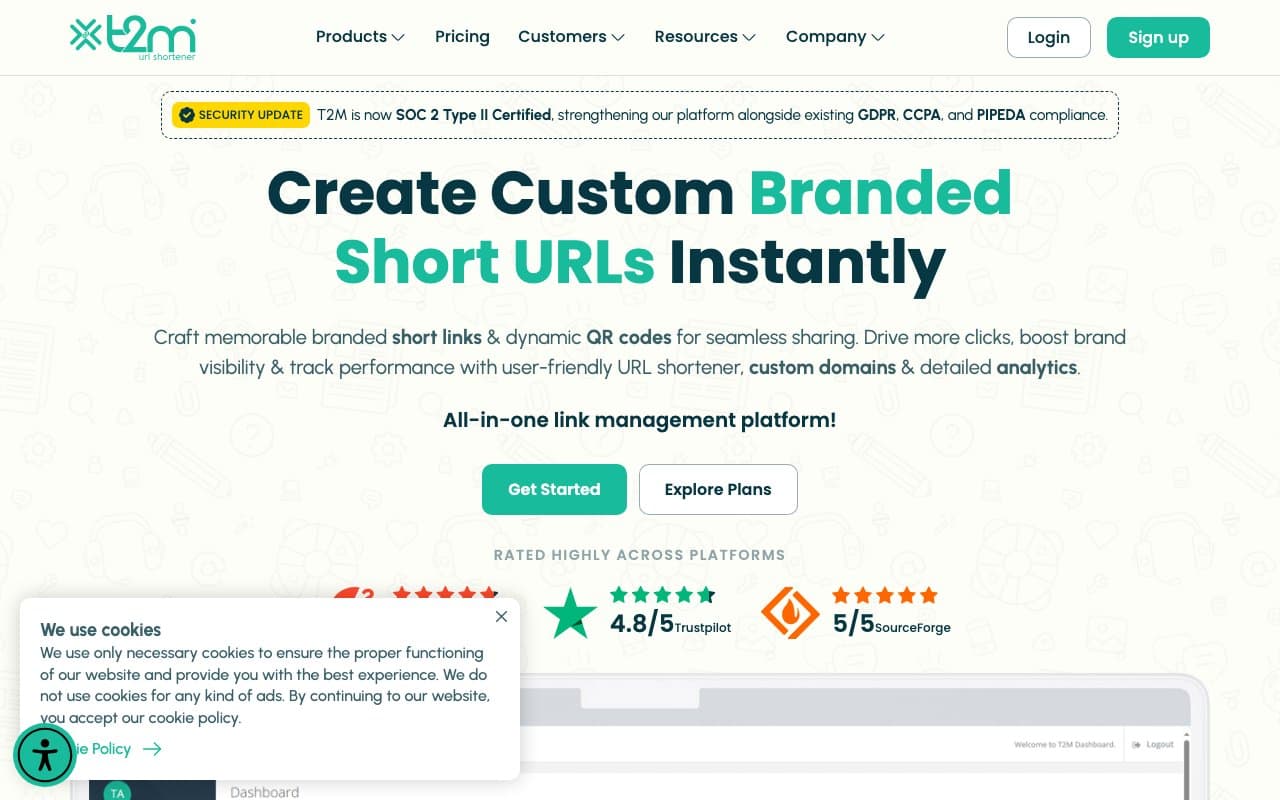
T2M — полнофункциональный сокращатель URL, получивший сертификацию SOC 2 Type II, что делает его хорошим выбором для команд, ориентированных на безопасность. Он поддерживает пользовательские домены, подробную аналитику, QR-коды и ссылки, защищённые паролем.
Примечание: бесплатный план требует единовременную комиссию за проверку личности в размере $5 до активации — необычная точка трения. Платные планы включают 15-дневный бесплатный пробный период.
- Лучше всего подходит: Команды, требующие соответствия безопасности; сценарии среднего рынка.
- Бесплатный план: Да — но требует единовременную комиссию за проверку в $5.
- Цены: $5/месяц+ (с 15-дневным пробным периодом на платных планах).
8. BL.INK
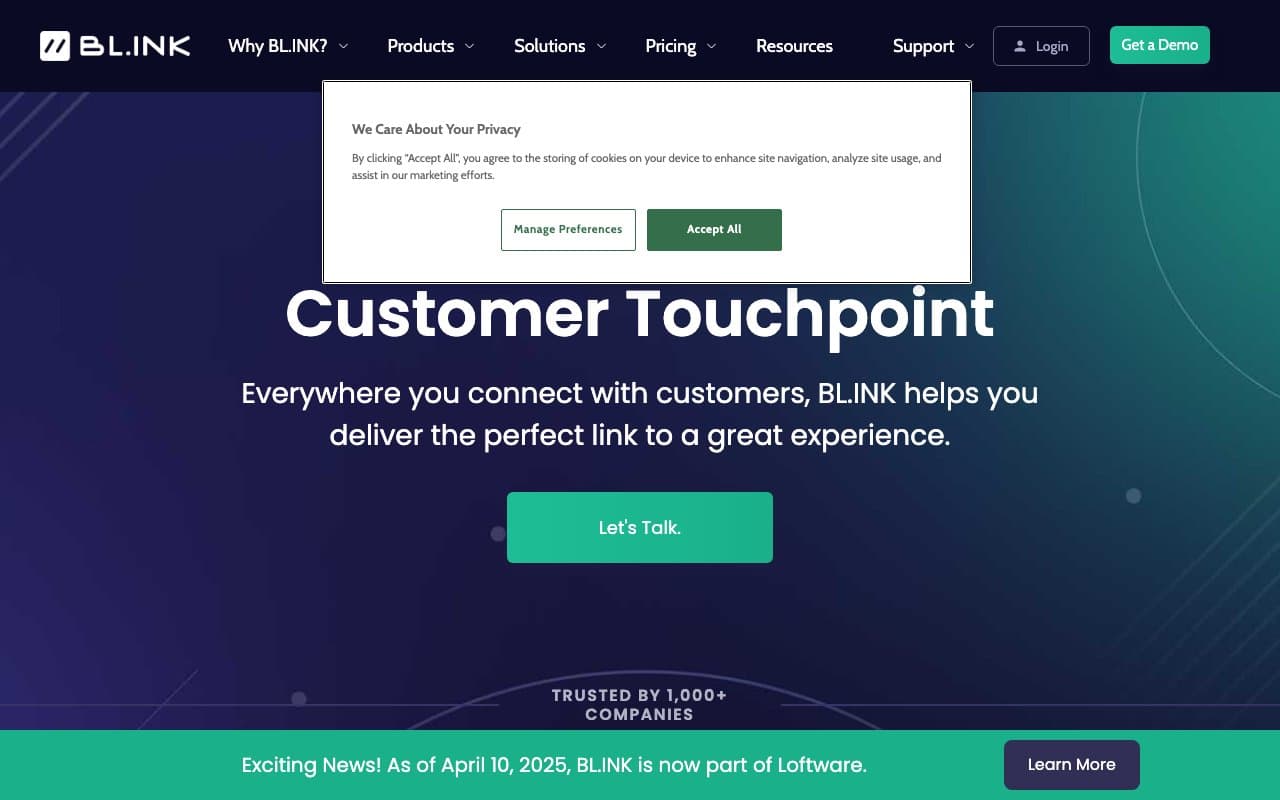
BL.INK — корпоративная платформа управления ссылками с сильным акцентом на сотрудничество команд, управление доступом на основе ролей и глубокую аналитику. Её используют крупные бренды и медиакомпании для управления большими библиотеками ссылок. По состоянию на апрель 2025 года BL.INK был приобретён компанией Loftware и продолжает работать под этим владением.
BL.INK позиционируется на корпоративном конце рынка — нет бесплатного плана, и цены начинаются с $48/месяц. Это излишне для небольших команд, но отличный выбор для крупных организаций с потребностями соответствия и управления.
- Лучше всего подходит: Корпоративные команды со сложными требованиями управления ссылками, контроля доступа и соответствия.
- Бесплатный план: Нет.
- Цены: Expert+ ($48/месяц) и выше; Корпоративный (пользовательский).
9. Sniply
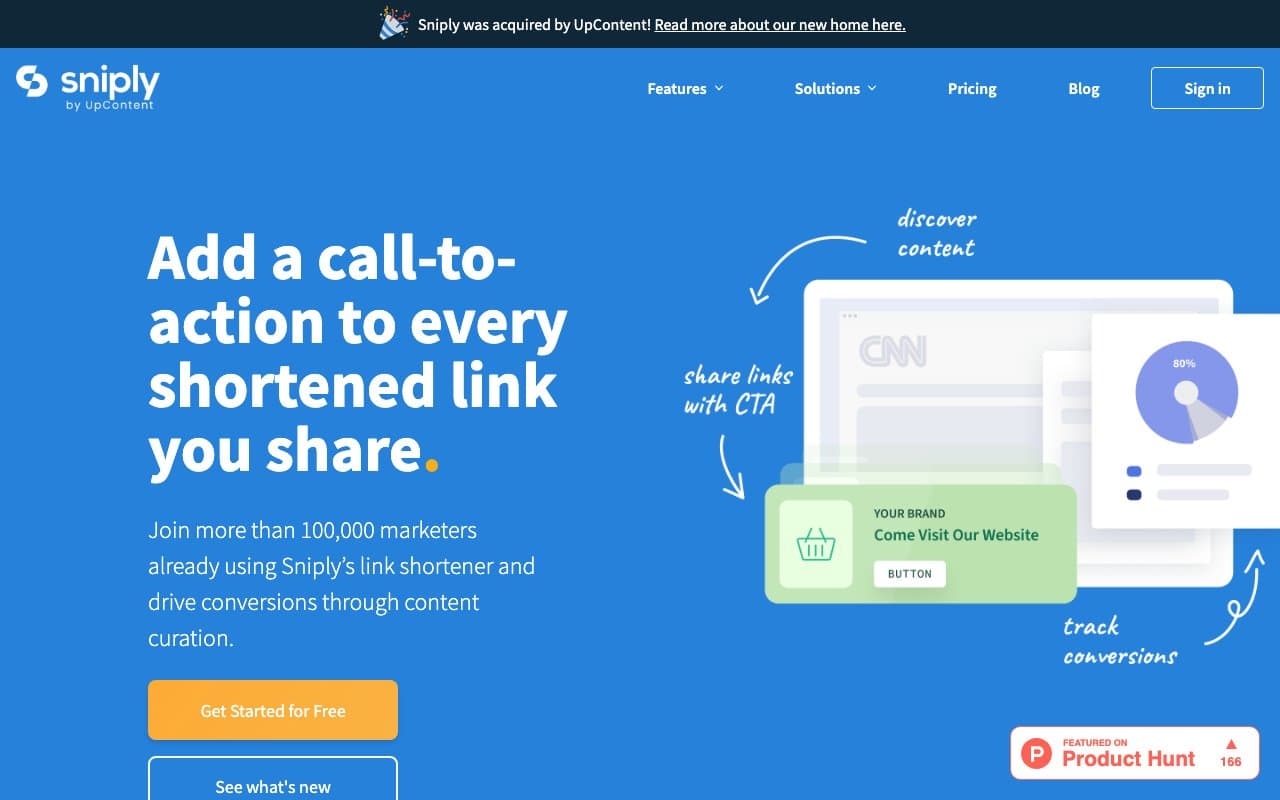
Sniply принимает другой подход к сокращению ссылок — он добавляет настраиваемый оверлей призыва к действию на любую страницу, которую вы делите. Когда вы делите ссылку Sniply на статью третьей стороны, на верхней части страницы появляется баннер или кнопка с вашим сообщением, направляя трафик обратно на ваш сайт.
Примечание: Sniply был приобретён UpContent и доменное имя изменилось с snip.ly на sniply.io. Он остаётся рабочим под новым владением.
- Лучше всего подходит: Контент-маркетологи, которые хотят преобразовать трафик из подобранного контента третьей стороны.
- Бесплатный план: Нет.
- Цены: Basic ($9/месяц) / Pro ($29/месяц) / Business ($59/месяц) / Enterprise (пользовательский).
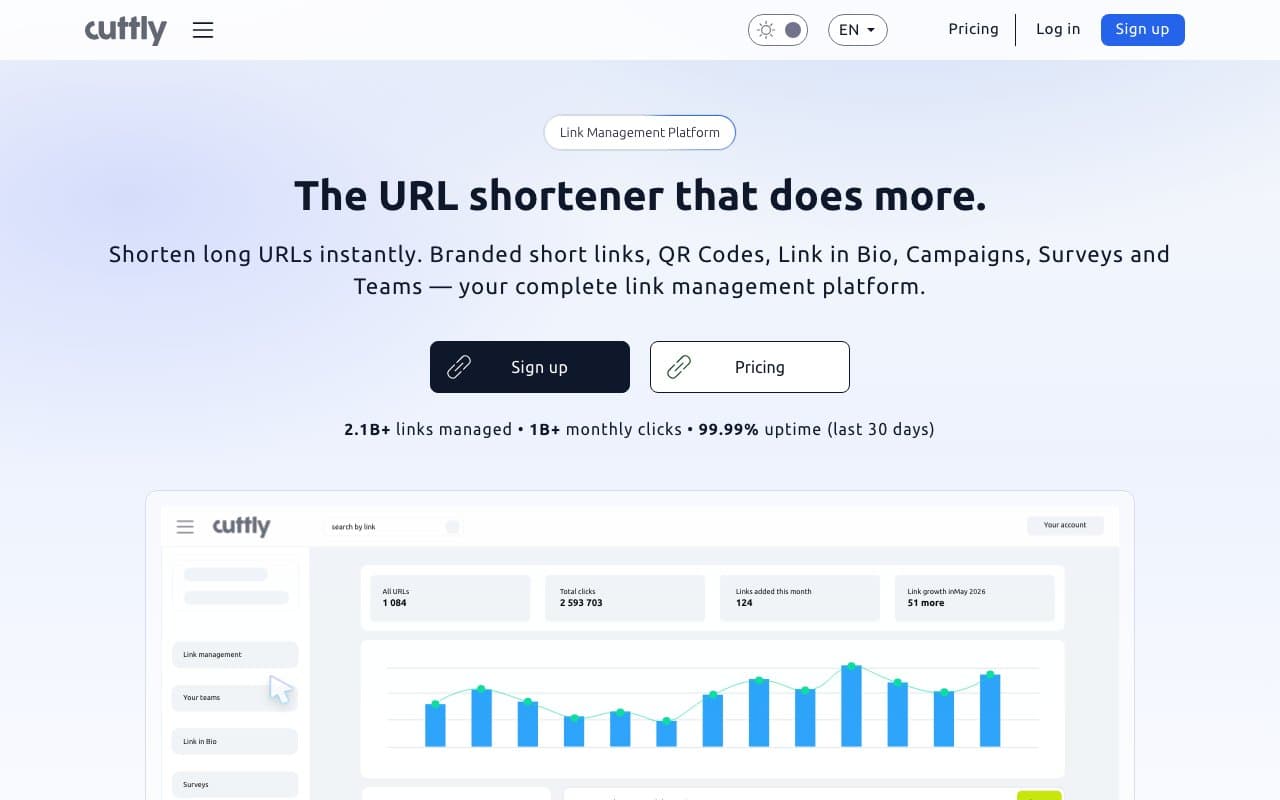
10. Cutt.ly
Cutt.ly — это прямолинейный сокращатель URL и платформа управления ссылками с чистым интерфейсом, пользовательскими доменами, рабочими пространствами команды и аналитикой на уровне кампаний. Включает расширение браузера для быстрого сокращения и поддерживает инструменты построения UTM.
Бесплатный план доступен, но ограничен — пользовательские домены и подробная аналитика требуют платной подписки.
- Лучше всего подходит: Небольшие команды, ищущие простой и доступный инструмент управления ссылками.
- Бесплатный план: Да — только базовое сокращение.
- Цены: Starter ($12/месяц) / Single ($25/месяц) / Team ($99/месяц) / Enterprise ($149/месяц).
11. Tiny.cc
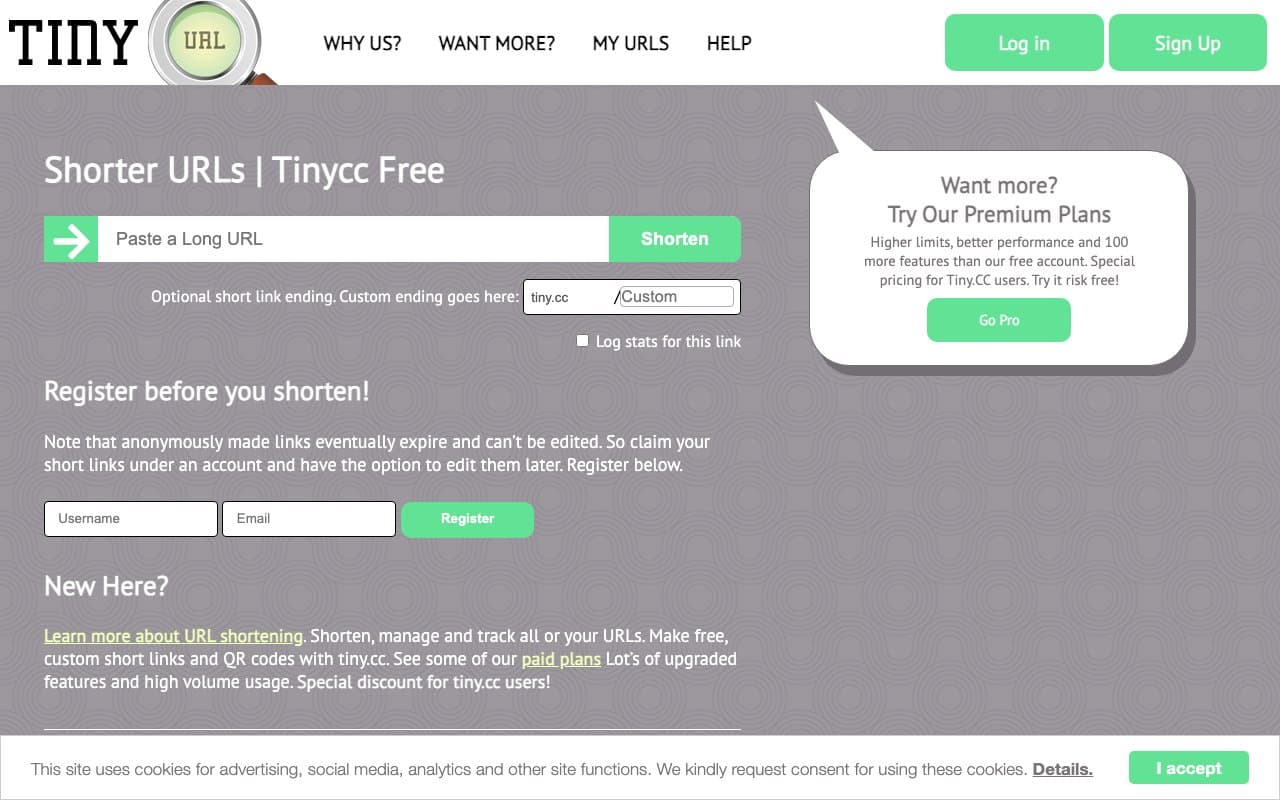
Tiny.cc — это простой сокращатель URL, работающий с 2006 года. Он предлагает базовое сокращение ссылок на бесплатном плане, с платными уровнями, добавляющими пользовательские домены, аналитику кликов и генерацию QR-кодов. Ему не хватает расширенных функций более современных платформ, но он надёжен для основных случаев использования.
- Лучше всего подходит: Базовое сокращение ссылок; пользователи, которые хотят прямолинейный сервис без наворотов.
- Бесплатный план: Да — базовое сокращение.
- Цены: Доступны по запросу; доступны базовые платные планы.
12. Ow.ly (через Hootsuite)
Ow.ly — это не самостоятельный сокращатель URL — это встроенная функция платформы управления социальными сетями Hootsuite. Любая ссылка, поделённая через Hootsuite, автоматически сокращается с доменом ow.ly. Аналитика доступна на панели инструментов Hootsuite.
Ow.ly доступен только подписчикам Hootsuite и не может быть использован независимо.
- Лучше всего подходит: Существующие пользователи Hootsuite, которые хотят сокращение ссылок, интегрированное в их рабочий процесс социальных сетей.
- Бесплатный план: Нет — требуется платная подписка Hootsuite.
- Цены: Включено в планы Hootsuite (начиная примерно с $99/месяц).
13. URL Shortener от Zapier
URL Shortener от Zapier — это сокращатель ссылок, ориентированный на автоматизацию, который создаёт короткие ссылки (используя домен zpr.io) как часть рабочего процесса Zap. Это не самостоятельный продукт — ссылки создаются только при срабатывании Zap, что делает его подходящим для автоматизированных рабочих процессов, а не для ручного управления ссылками.
Примечание: По состоянию на 2026 год URL Shortener от Zapier доступен только в платных планах Zapier. Ранее он был доступен бесплатным пользователям.
- Лучше всего подходит: Команды, уже использующие Zapier, которые хотят включить сокращение ссылок как часть автоматизированного рабочего процесса.
- Бесплатный план: Нет — требуется платный план Zapier.
- Цены: Включено в Zapier Professional ($19.99/месяц) и выше.
Самостоятельно размещаемые сокращатели URL
Самостоятельно размещаемые сокращатели URL работают на вашем собственном сервере. Они дают вам полный контроль над вашими данными, без ежемесячных взносов кроме расходов на сервер и полную настройку. Компромисс в том, что вам нужны технические знания для настройки и обслуживания.
14. YOURLS
YOURLS (Your Own URL Shortener) — самый популярный самостоятельно размещаемый сокращатель URL. Написанный на PHP, он легко устанавливается на любом веб-сервере и имеет большую экосистему плагинов для расширения функциональности. Активно поддерживается — последний выпуск v1.10.4 (май 2024).
- Лучше всего подходит: Разработчики и системные администраторы, которые хотят полное владение данными и проверенную, расширяемую платформу.
- Стоимость: Бесплатно (открытый исходный код). Только расходы на сервер.
15. Shlink
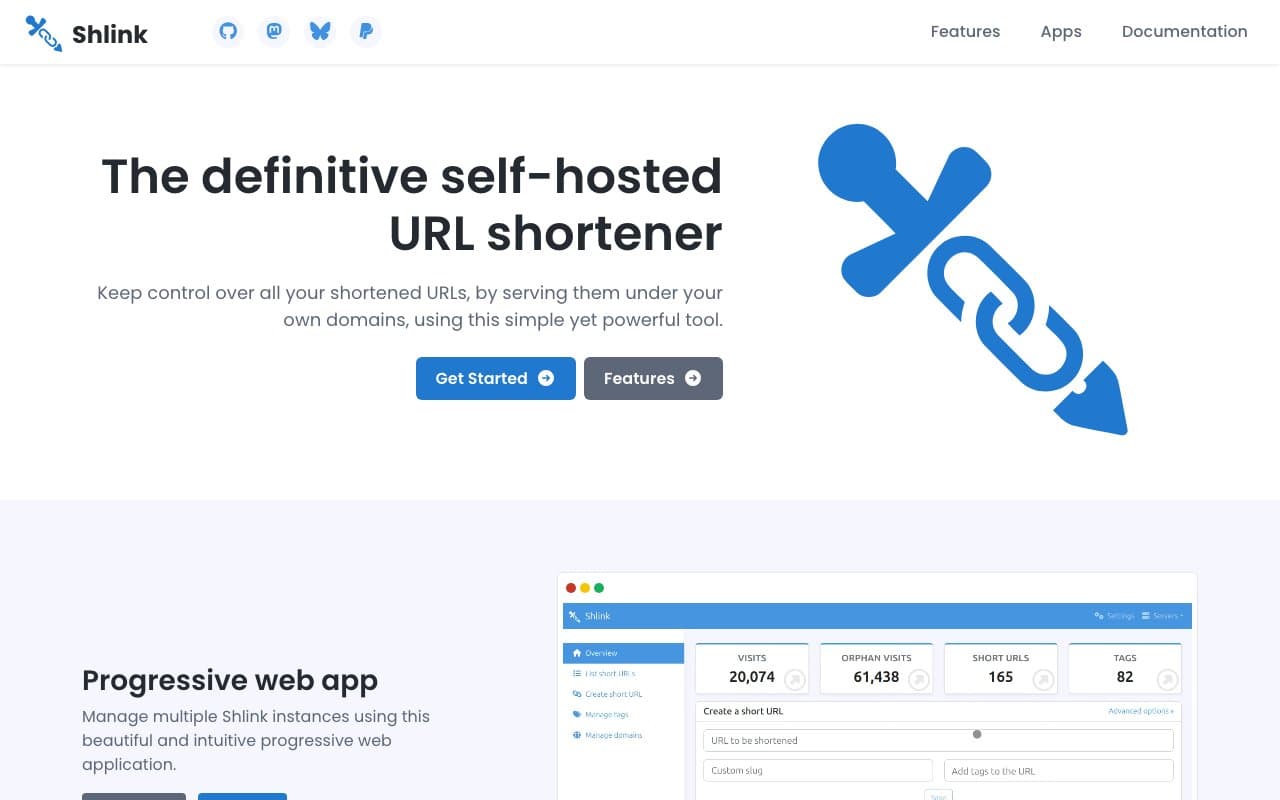
Shlink — это сложный самостоятельно размещаемый сокращатель URL, построенный на PHP с акцентом на дизайн, ориентированный на API. Он поддерживает несколько коротких доменов, подробное отслеживание посещений, данные геолокации, REST API и официальные клиентские приложения (веб и мобильные). Активно поддерживается — последний выпуск v5.0.2 (апрель 2025).
- Лучше всего подходит: Разработчики и команды, которым нужен самостоятельно размещаемый сокращатель с мощным API и поддержкой нескольких доменов.
- Стоимость: Бесплатно (открытый исходный код).
17. Dub.co (самостоятельно размещаемый)
Dub.co может быть самостоятельно размещён — полный исходный код доступен на GitHub под лицензией с открытым исходным кодом. Это даёт вам все функции размещённой платформы (пользовательские домены, аналитика, QR-коды, API) с полным владением данными и без ежемесячных взносов.
- Лучше всего подходит: Команды, которые хотят современный набор функций Dub без расходов SaaS и имеют техническую возможность для самостоятельного размещения.
- Стоимость: Бесплатно (открытый исходный код). Только расходы на сервер.
Как выбрать сокращатель URL
Для маркетологов и команд роста: ищите пользовательские домены, аналитику кликов, поддержку пикселей ретаргетинга и управление параметрами UTM. Linkly специально создан для этого случая использования.
Для предприятий: приоритизируйте сотрудничество команд, управление доступом на основе ролей, SSO и функции соответствия. BL.INK и Rebrandly ориентированы на предприятия.
Для разработчиков: качество API, поддержка нескольких доменов и опции самостоятельного размещения имеют значение. Short.io, Dub.co и Shlink — сильные выборы.
Для простоты: если вам просто нужно периодически сокращать ссылки без настройки, TinyURL или Tiny.cc работают нормально.
Для команд с ограниченным бюджетом: бесплатный план Linkly (100 ссылок, 500 кликов/месяц) и бесплатный план Dub.co (25 ссылок/месяц) предлагают наибольше функций без карты памяти.
Часто задаваемые вопросы
Какой лучший бесплатный сокращатель URL?
Для маркетологов Linkly предлагает самый щедрый бесплатный план с реальной аналитикой, поддержкой пикселей ретаргетинга и пользовательскими доменами — 100 ссылок и 500 отслеживаемых кликов в месяц, без требования карты памяти. Для разработчиков Dub.co — отличный бесплатный вариант.
В чём разница между Bitly и TinyURL?
Оба являются известными хостинговыми сокращателями, но обслуживают разные аудитории. Bitly ориентирован на команды и бизнес с аналитикой и фирменными ссылками, в то время как TinyURL проще и лучше для случайного личного использования. Бесплатный план Bitly очень ограничен (5 ссылок/месяц), в то время как бесплатный уровень TinyURL не имеет ограничения по количеству ссылок, но без аналитики.
Могу ли я использовать пользовательский домен с сокращателем URL?
Да — большинство современных сокращателей URL поддерживают пользовательские домены в платных планах. Linkly, Rebrandly, Short.io, Dub.co и BL.INK все это предлагают. Использование вашего собственного домена (например, go.yourbrand.com) увеличивает доверие к ссылке и улучшает показатели кликов.
Какой лучший самостоятельно размещаемый сокращатель URL?
YOURLS является наиболее устоявшимся и широко развёрнутым. Shlink — сильнейший выбор для развёртывания, ориентированного на API или с несколькими доменами, а Dub.co также может быть самостоятельно размещён бесплатно.
Безопасны ли сокращатели URL?
Репутационные сокращатели URL безопасны, но сокращённые ссылки могут скрывать конечный URL, что иногда используют плохие субъекты. Используйте сокращатель с функцией предпросмотра или ищите сервисы со встроенным сканированием вредоноса. Linkly включает обнаружение ботов и автоматически фильтрует не-человеческий трафик.
Вредят ли сокращатели URL SEO?
Нет — сокращатели URL обычно используют перенаправления 301 (постоянные), которые передают ссылочный капитал на целевую страницу. Однако, если вы ссылаетесь на собственный контент в общественных постах или профилях, использование вашего собственного фирменного домена через сокращатель пользовательского домена лучше для авторитета бренда.
Получите 100 коротких ссылок и отслеживайте 500 кликов в месяц бесплатно.