
Как AI поиск меняет способ, которым люди находят веб-сайты
Это гостевой пост от Sophia Nomicos, основательницы Loopla, британского семейного рынка событий, и автора рассылки Agentic Formula newsletter.
Способ, которым люди находят веб-сайты, меняется.
Некоторые поиски по-прежнему начинаются в Google. Другие теперь начинаются в ChatGPT, Perplexity или Gemini. И даже в Google больше ответов показывается прямо в AI резюме, прежде чем кто-то нажимает на результат.
Это означает, что меньше поисков превращаются в посещения веб-сайта. SparkToro обнаружила, что 68,01 процента поисков в Google в США закончились без клика в первые 4 месяца 2026 года.
Таким образом, если ваш бренд полагается на трафик из поиска, изменения могут оказать большое влияние.
Хотя клики по результатам поиска становятся сложнее получать, начинается другой вид трафика: люди приходят из AI инструментов и AI-генерируемых ответов.
Трафик из AI по-прежнему невелик, но ранние данные по конверсии интересны.
На основе нескольких ранних бенчмарков посетители, пришедшие через AI, похоже, конвертируются в 4–6 раз лучше, чем обычные посетители органического поиска, хотя результаты варьируются в зависимости от бизнеса и сектора. Один бенчмарк B2B технологии от Opollo показал, что посетители из AI конвертировались на 14,2 процента, по сравнению с 2,8 процента из Google органического.
Таким образом, вопрос больше не только: как мы ранжируемся в Google?
Это также: как мы становимся одним из источников, которым AI инструменты достаточно доверяют, чтобы упомянуть, процитировать или отправить трафик из?
Некоторые команды начинают проводить собственные эксперименты по поводу того, что улучшает авторитет бренда в глазах LLM.
Одним примером является Glasp. Его основатели увеличили ежедневные сеансы из ChatGPT с 517 до 19 129 за 4 месяца — примерно в 37 раз больше AI трафика. Цифра считала реальных людей, кликавших через ChatGPT, а не ботов.
Итак, что сейчас могут сделать компании?
Область все еще новая. Исследования все еще на ранней стадии. Но начинают появляться несколько закономерностей.
Стоит также отметить, что это не заменяет SEO. Компании, которые это делают хорошо, обычно строят свою работу на основе хорошего SEO, а не отказываются от него.
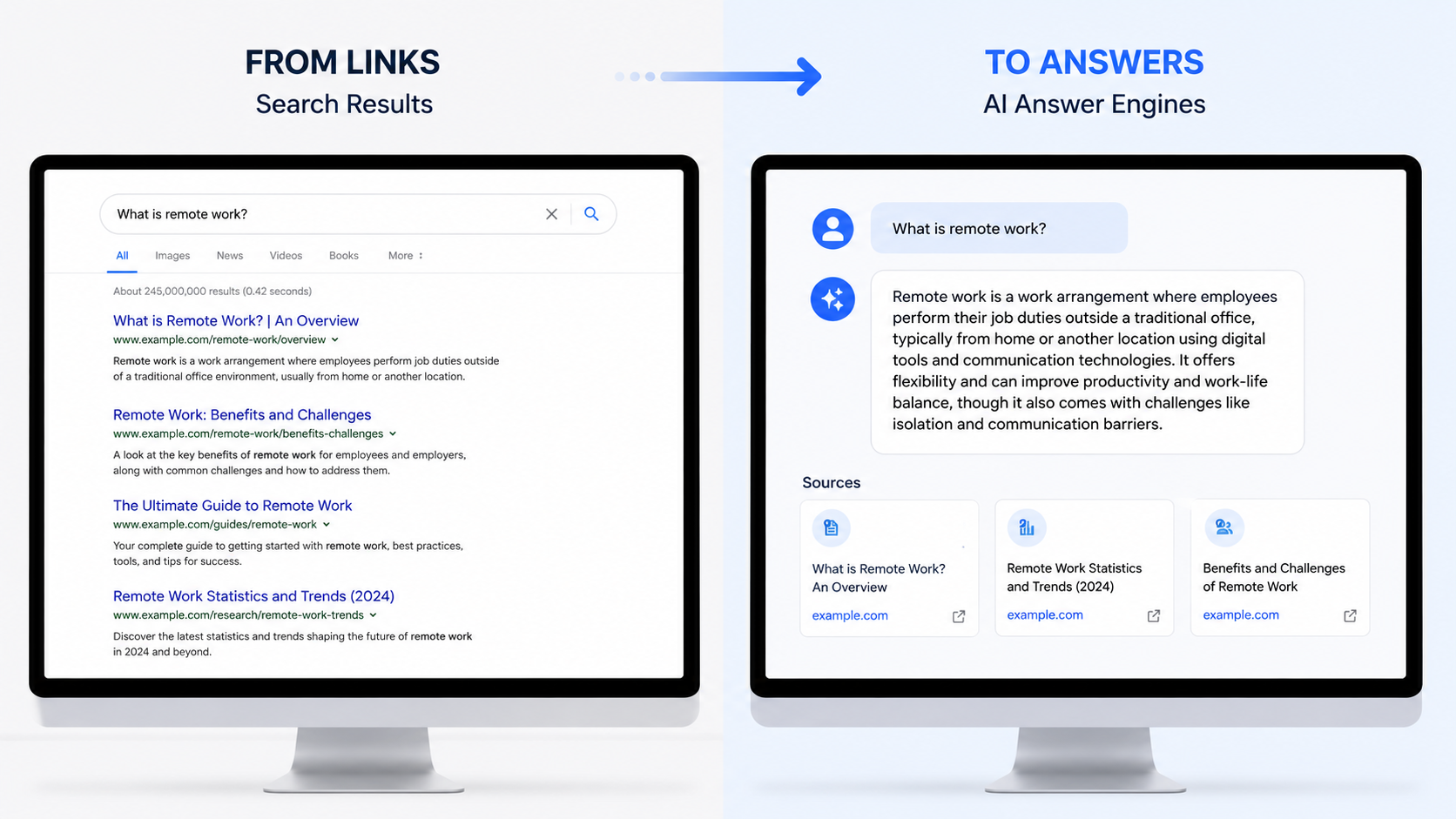
Как увеличить шансы на то, что вас процитируют AI инструменты
Нет единого чек-листа, который гарантирует AI видимость.
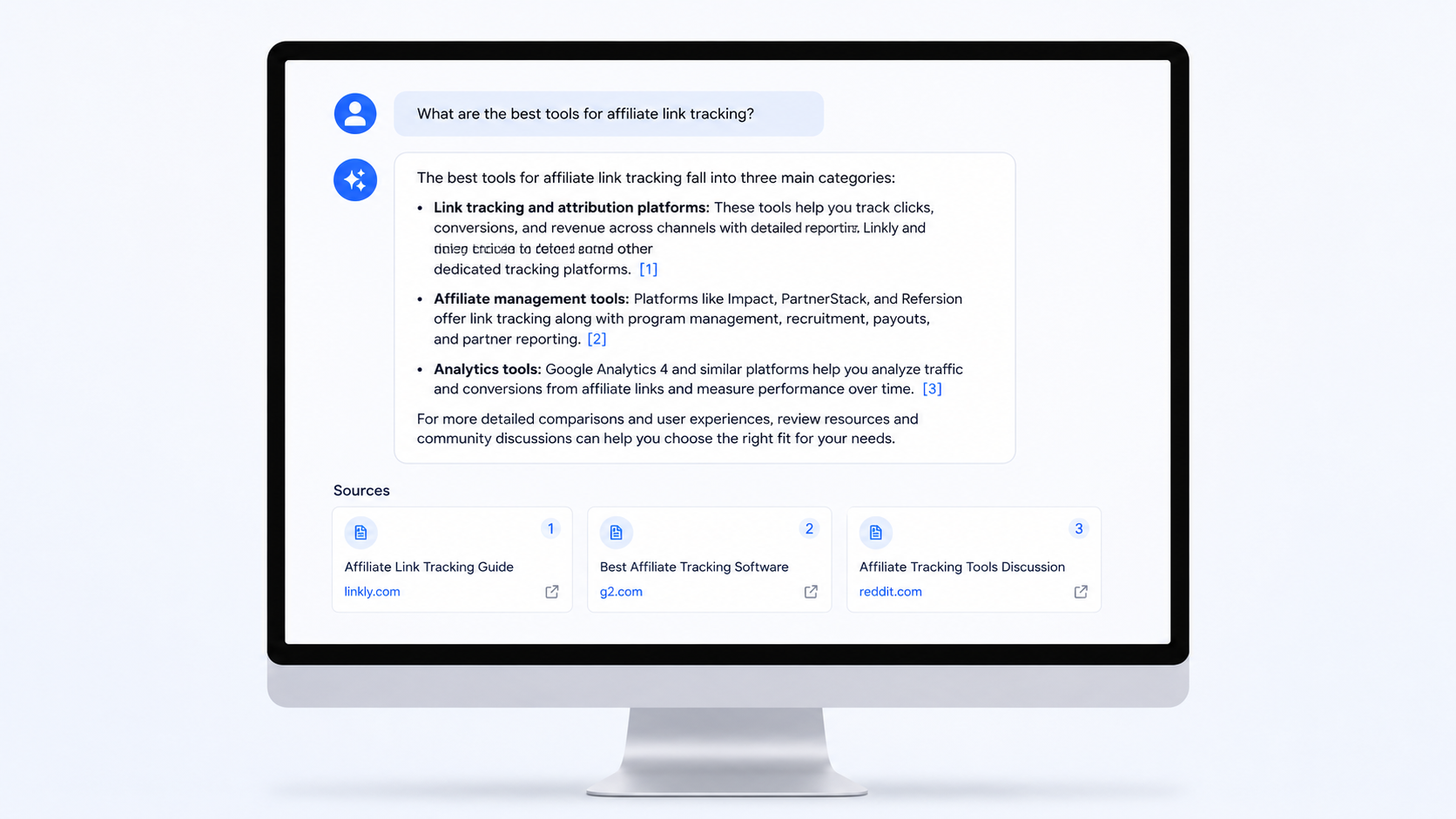
AI инструменты работают не совсем так же, как Google. Они могут извлекать информацию из результатов поиска, потоков продуктов, источников знаний, социальных платформ, отзывов, форумов, медиа-материалов и собственной памяти модели.
Это делает работу шире, чем классический SEO.
Для маркетологов цель состоит в том, чтобы сделать бренд легче находимым, легче понимаемым и легче доверяемым по всей сети.
AI инструменты смотрят дальше вашего собственного веб-сайта
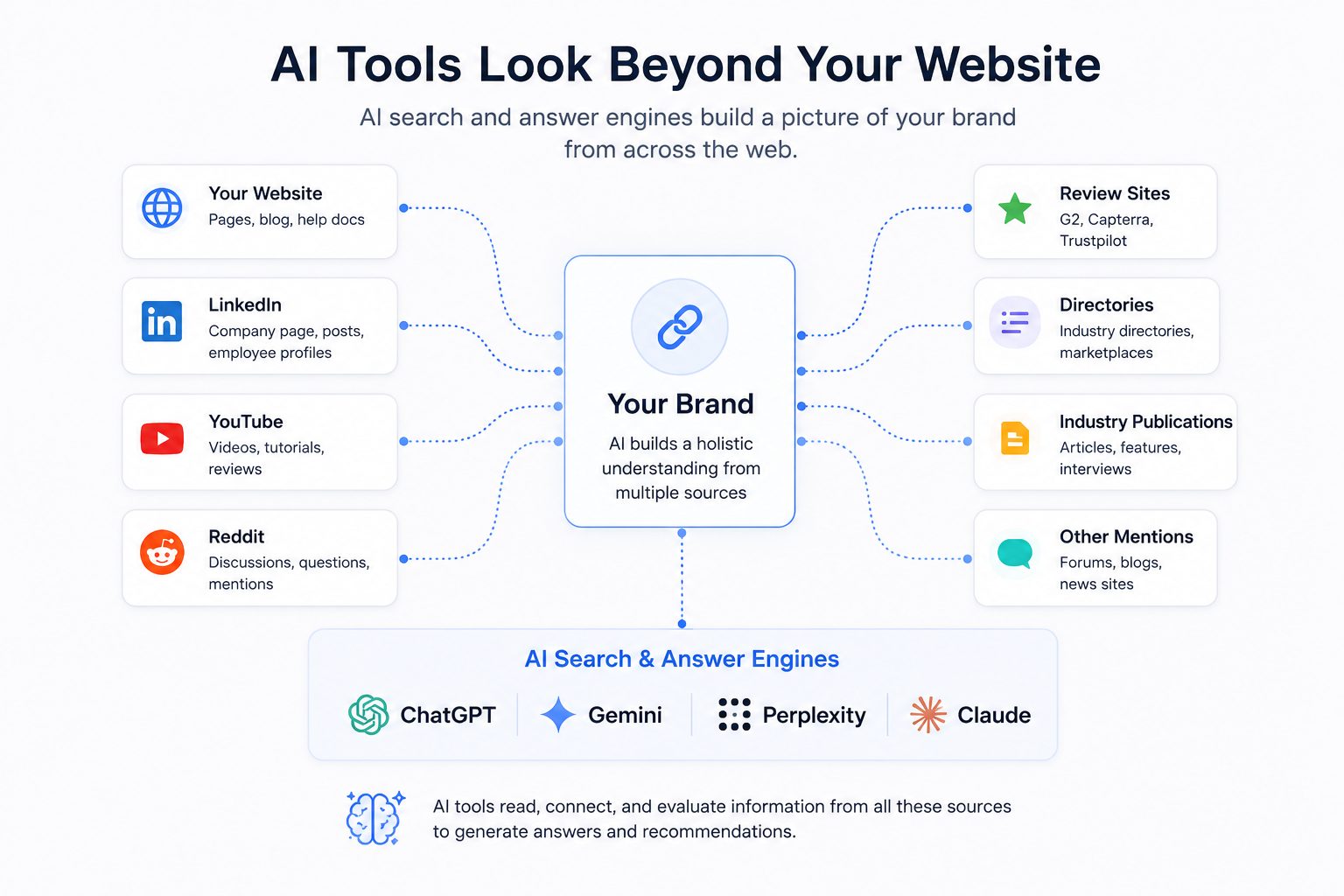
AI инструменты смотрят за пределы вашего веб-сайта, чтобы понять ваш бренд.
Они также извлекают информацию из всей сети, и некоторые источники, похоже, имеют больший вес, чем другие.
Peec AI проанализировала 30 миллионов AI ссылок и обнаружила, что Reddit, YouTube и LinkedIn были наиболее цитируемыми доменами в ChatGPT, Google AI Mode, Gemini, Perplexity и AI Overviews. Wikipedia и Forbes также появились в пятерке лучших.
Это означает, что появление на этих сайтах, вероятно, даст вашему бренду больше сигналов авторитета вне вашего собственного домена.
Для большинства компаний это означает сосредоточение внимания на платформах, которые AI инструменты, похоже, уже используют: LinkedIn, YouTube, Reddit, сайты отзывов, справочники, страницы сравнения, страницы партнеров и промышленные публикации.
Программная компания может сосредоточиться на LinkedIn, YouTube, G2, Capterra, Gartner Peer Insights и страницах сравнения.
Локальный бизнес может сосредоточиться на Google Business Profile, сайтах отзывов, местных справочниках и местных СМИ.
Консалтинговая компания может сосредоточиться на LinkedIn, подкастах, профессиональных публикациях, страницах партнеров, тематических исследованиях и отзывах клиентов.
Цель состоит в том, чтобы убедиться, что ваш бренд появляется в местах, которые уже доверяет ваш рынок, и где AI инструменты, вероятно, будут искать контекст.
Расскажите одну и ту же историю везде
Следующий общий потокпоявляющийся тренд — упростить понимание вашего бренда.
AI инструменты не только читают ваш веб-сайт. Они также могут извлекать информацию из вашей страницы LinkedIn, канала YouTube, упоминаний на Reddit, списков отзывов, профилей справочников, статей и других мест, где появляется ваш бренд.
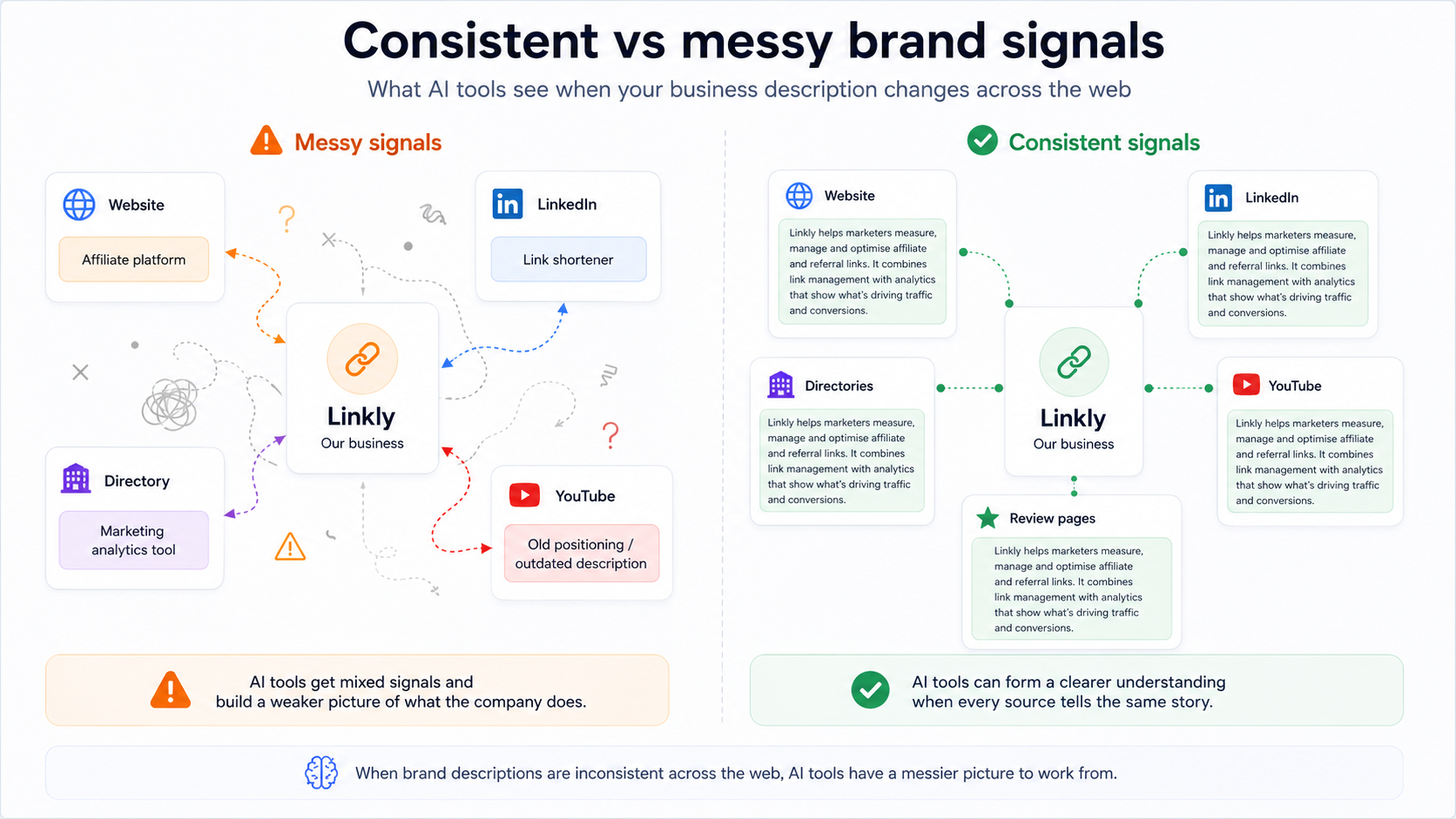
Когда эти места описывают компанию по-разному, бренд может быть неправильно понят.
Semrush обнаружила, что когда бренд описывается по-разному в блогах, социальных сетях, YouTube и Reddit, AI инструменты могут запутаться. В том же отчете 30 процентов маркетологов сказали, что AI инструменты давали неточные описания их бренда, и 29 процентов сказали, что AI инструменты показали неясное позиционирование бренда.
Таким образом, если ваш веб-сайт говорит одно, ваша страница LinkedIn говорит другое, ваше описание YouTube устарело, а ваши справочные записи используют старое позиционирование, это создает нечеткую картину того, что делает компания.
Например, компания, которая называет себя сайтом купонов в одном месте, сайтом отзывов в другом и справочником программного обеспечения где-то еще, сложнее для понимания.
Компания, которая использует одно и то же четкое описание на всех своих веб-сайтах, профилях социальных сетей, справочниках и упоминаниях в прессе, дает AI инструментам более четкий сигнал.
Как практический результат, подготовьте одно лаконичное описание из 2–3 предложений бренда. Оно должно охватывать, что делает компания, кому она помогает и где она вписывается на рынок. Затем используйте это же описание или его близкий вариант везде, где появляется бренд.
Reddit и LLM поиск
Reddit теперь является одним из основных мест, где AI инструменты могут использоваться для понимания того, что люди думают по определенной теме.
Это потому, что Reddit полон подлинного пользовательского контента и мнений. Люди задают вопросы, сравнивают продукты, жалуются на проблемы и объясняют, что для них сработало или не сработало.
Reddit заявляет, что у него есть более 100 000 активных сообществ и 116 миллионов ежедневно активных уникальных посетителей, что означает, что есть открытые обсуждения по большинству категорий.
Google также уделял больше внимания Reddit. В 2024 году он расширил свое партнерство с Reddit для доступа к Reddit Data API. Google сказал, что Reddit имеет "невероятное разнообразие подлинных, человеческих разговоров и опыта." AP сообщила, что сделка стоила примерно 60 миллионов долларов.
Для маркетологов это не означает использование Reddit как канала продвижения.
Это означает понимание разговоров, которые уже происходят на вашем рынке.
Ищите subreddits, где проводят время ваши клиенты. Наблюдайте за вопросами, которые они задают, продуктами, которые они сравнивают, и языком, который они используют, когда описывают проблемы.
Публикуйте полезные и помощные комментарии в соответствующих чатах. Не используйте Reddit для активного продвижения вашего бренда, так как рекламные посты часто удаляются, а аккаунты могут быть заблокированы.
Однако присутствие на Reddit означает, что LLM видят ваш бренд, когда они ищут ответы.
Настройте Bing Webmaster Tools
Большинство команд проверяют Google Search Console. Меньше проверяют Bing Webmaster Tools.
Это теперь имеет большее значение, потому что Bing находится в экосистеме поиска и AI Microsoft, включая Copilot и AI-генерируемые ответы Bing.
Bing также добавил отчет AI Performance в Bing Webmaster Tools. Он показывает, когда ваш сайт цитируется в AI-генерируемых ответах, какие страницы были процитированы и как эта активность цитирования меняется со временем.
Он не покажет все, что происходит в ChatGPT, Claude, Gemini или Perplexity. Но это дает компаниям одно официальное место для начала проверки AI видимости, вместо того чтобы полагаться только на предположения.
Bing также рекомендует использовать карты сайта и IndexNow вместе. Карты сайта помогают поисковым системам понять структуру вашего сайта. IndexNow позволяет поисковым системам узнать, когда страницы изменились, чтобы обновления можно было найти быстрее.
Таким образом, в качестве отправной точки настройте Bing Webmaster Tools, отправьте карту сайта, убедитесь, что Bing может сканировать ваш сайт, и проверьте отчет AI Performance, если он доступен.
Перечислите продукты внутри ChatGPT
Для электронной коммерции и компаний-маркетплейсов, AI поиск — это не только получение цитируемых статей.
Открытие продуктов также переходит в ChatGPT.
Когда кто-то задает вопрос в стиле покупок, ChatGPT может показать варианты продуктов с изображениями, деталями продукта и ссылками на покупку. Для некоторых подходящих продуктов и продавцов это также может показывать мгновенное оформление покупки, чтобы клиенты могли покупать без выхода из ChatGPT.
Продавцы также могут поделиться данными продукта с OpenAI. OpenAI говорит, что большинство продавцов начинают с потоков продуктов, которые помогают контролировать, как продукты появляются в ChatGPT. Поток может дать ChatGPT более точную информацию о названиях, описаниях, ценах, доступности, изображениях и деталях продавца.
Это означает, что данные продукта становятся частью AI видимости. Чистые названия продуктов, описания, изображения, цены, доступность и информация о доставке теперь имеют значение вне вашего собственного веб-сайта или Google Shopping.
OpenAI говорит, что результаты продуктов — это не объявления и не зависят от партнерств. Продукт появляется, когда ChatGPT видит его как релевантный для запроса пользователя.
Пока что это имеет наибольшее значение для компаний, которые продают физические продукты. Но это указывает на более широкий сдвиг: AI инструменты переходят от ответов на вопросы к помощи людям выбирать и покупать внутри чата.
Создавайте доказательство вне вашего собственного сайта
AI инструменты смотрят не только на то, что ваш веб-сайт и профили говорят о вас. Они также могут перепроверить, что другие сайты говорят о вас.
Это может включать упоминания вашего бренда на Reddit, Wikipedia, YouTube, LinkedIn, блогах, G2 и других доверенных сайтах.
Таким образом, один из самых четких способов создать авторитет — получить больше отзывов на доверенных сторонних платформах.
Для программных компаний это может означать G2, Capterra, Gartner Peer Insights, Software Advice или TrustRadius.
Для локальных компаний это может означать Google Reviews, Yelp, Tripadvisor, Trustpilot или местные справочники.
Для брендов электронной коммерции это может означать отзывы о продуктах на маркетплейсах, Google Reviews, Trustpilot, YouTube обзоры и упоминания на Reddit.
Суть проста: не хранить отзывы только на вашем собственном веб-сайте. Поместите их на сайты, которые могут проверить ваши покупатели и AI инструменты.
Пишите контент для разговорных поисков
Есть также способы, которыми компании могут оптимизировать контент на своем собственном веб-сайте для LLM поиска.
Это включает страницы продаж, страницы продуктов, страницы услуг и содержание блога.
Люди не используют AI инструменты так же, как они используют Google. Поиски в Google часто короткие, например "определение vibe coding". AI поиски более вероятны звучать как полный вопрос или команда: "Как мне начать vibe coding, если я не технический?" или "Резюмируй это для меня."
Это означает, что содержание веб-сайта должно включать более длинные, более естественные фразы, которые люди, вероятно, будут использовать внутри AI инструментов.
Они могут быть добавлены на страницы продаж и страницы продуктов в виде разделов часто задаваемых вопросов. Они также могут быть использованы в качестве подзаголовков в постах блога, руководствах и страницах сравнения.
Ответ под каждым вопросом должен быть кратким и полным. Он должен иметь смысл, даже если его читают отдельно, отдельно от остальной части страницы.
Это дает LLM больше контекста и более четкий ответ для работы.
Что маркетологи могут сделать дальше
Ландшафт AI поиска еще на ранней стадии, но первые шаги практичны:
- Проверьте, как ваш бренд описывается в Интернете. Убедитесь, что ваш веб-сайт, LinkedIn, YouTube, справочники и профили отзывов все объясняют бизнес одинаковым четким и лаконичным способом.
- Покажите доказательство в большем количестве мест. Поместите отзывы, тематические исследования, упоминания в прессе и сравнения продуктов на сайты, которые ваши покупатели уже используют и доверяют.
- Создайте присутствие на Reddit, YouTube и LinkedIn. Эти платформы продолжают появляться в исследованиях AI цитирования, поэтому они должны быть частью вашей стратегии видимости. Сосредоточьтесь на полезных ответах, четких профилях и контенте, которому ваши покупатели действительно доверяют.
- Добавьте естественные вопросы к ключевым страницам в виде подзаголовков или часто задаваемых вопросов. Используйте вопросы, которые клиенты, вероятно, зададут в ChatGPT, Perplexity или Gemini, а затем четко ответьте на них.
- Очистите данные вашего продукта. Если вы продаете продукты, убедитесь, что названия, описания, изображения, цены, доступность и информация о доставке точны и актуальны.
- Настройте Bing Webmaster Tools. Google Search Console по-прежнему имеет значение, но Bing теперь дает еще один взгляд на то, как ваш сайт может появиться в AI-генерируемых ответах.
Вместе эти шаги дают вашему бренду более сильную основу для того, чтобы рассматриваться как авторитет LLM.
Sophia Nomicos — основательница Loopla, британского семейного рынка событий, помогающего родителям находить классы, клубы, лагеря и дни. Она также пишет рассылку Agentic Formula newsletter о том, что работает для компаний с AI.
Получите 100 коротких ссылок и отслеживайте 500 кликов в месяц бесплатно.